jamie reddington (sound of fractures) is a uk-based artist and researcher working at the intersection of music, memory, and participation.
seams studio is funded by people who want this work to exist. it funds the experiment, and the time it takes to make meaningful work, not the outcome.
presence in the process, credit on what emerges, a hand in something you believe should exist.
"i'm looking for people who already have alignment with what i believe in, and who are already taking action in that direction. and i'm asking if they need fuel."
— c.y. lee, studio board
"looking back, i don't think i was saying yes to a project. i was saying yes to jamie. because every now and then, someone shares an idea that deserves everything you can bring to it."
— alex watson, alone together · read the full post ↗
"what we need more of: making music feel less disposable. we should find ways to support creative research & development driven by artists."
— maarten walraven, executive producer of scenes
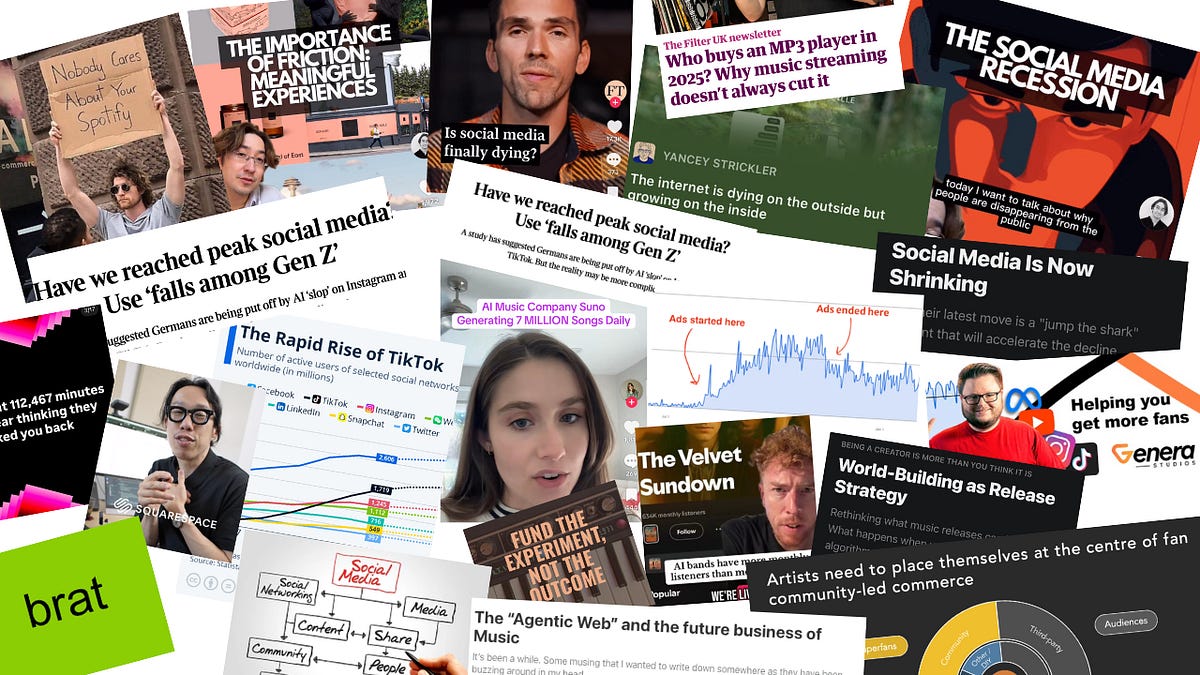
scaling intent — what patronage actually means
the essay ↗
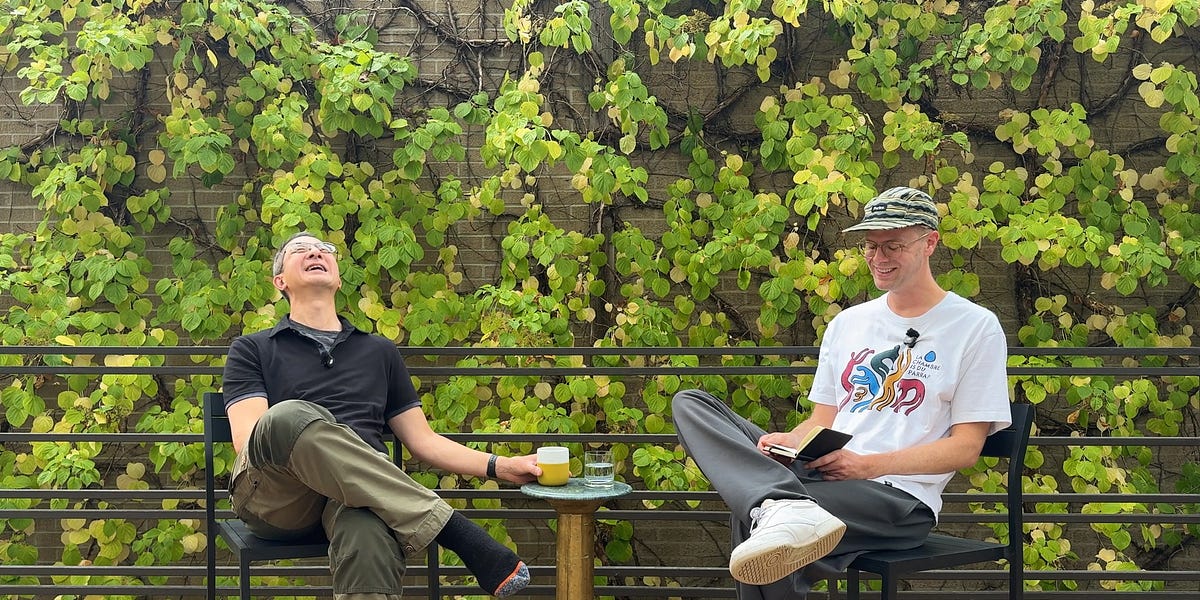
new forms 001 — an interview with patron c.y. lee
the interview ↗
it starts as a conversation — write to me, or leave a note here.
seams is a studio founded by sound of fractures, working through music, memory, space and participation.
it develops projects that explore what music can make possible between people. a song can become a prompt, an archive, a film, a room, a publication or a gathering. the form changes with the question.
research is not separate from the work. it happens through making, listening and gathering. each project is shaped by its audience and context, and leaves behind work, documentation, relationships and new questions that inform what comes next.
every output is different — an album, an exhibition, a piece of research, an event. what stays the same is the ethos at the heart of them: human connection, participation, process shared in the open. the studio gives these different forms somewhere to belong.
question → project → participation → reflection → next question.
each project becomes part of the continuing practice rather than an isolated output.